Source Cold Resistant Insulated Control Cable for Power, Heating, Underground
Find 30 listings for cold resistant insulated control cable suitable for power stations, industrial sites, and heating systems. Buyers can compare specifications like voltage ratings, conductor materials, and operating temperatures from verified Chinese manufacturers.
Key considerations
Products List




Comprehensive Sourcing Guide
Cold Resistant Insulated Control Cable Sourcing Guide
Procuring cold resistant insulated control cables requires a nuanced understanding of material science and environmental resilience, particularly when deploying infrastructure in sub-zero climates. These specialized cables are engineered to maintain flexibility and structural integrity under extreme thermal stress, preventing insulation cracking and conductor failure that typically plague standard PVC or rubber variants in freezing conditions. Buyers must recognize that "cold resistance" is not a single universal metric but a performance threshold defined by specific operating and laying temperatures, which vary significantly based on the polymer formulation and the intended application environment.
The sourcing landscape for these components is dominated by manufacturers in industrial hubs such as Zhengzhou and Henan in China, where a high concentration of suppliers offers a wide array of configurations. Listings frequently highlight certifications such as CCC, CE, ISO, and RoHS, indicating a baseline adherence to international quality and safety standards. However, the presence of these certifications does not automatically guarantee suitability for extreme cold; therefore, procurement teams must look beyond general compliance marks to verify specific thermal ratings and material compositions that align with their project’s harsh environmental demands.
Product Scope and Observed Listing Signals
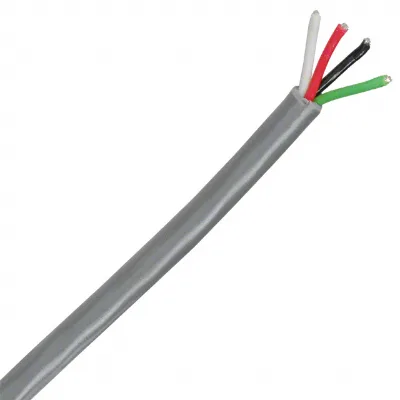
The observed market signals indicate a diverse product range that includes control cables, rubber cables, and low-voltage variants, often constructed with copper or aluminum conductors. Listings frequently specify models such as KVV, PG-KVV, and ZRKVV\ZRKVVP, which are standard designations for control and instrumentation cables in various international markets. The insulation materials cited often include PVC and rubber, with some products explicitly noting customized insulation colors and core counts ranging from one to five cores. This variety suggests that buyers can find tailored solutions for specific control logic, signal transmission, or power distribution needs within cold environments.
Packing and logistical details observed in listings provide insight into the handling requirements of these heavy industrial goods. Common packing methods include wooden drums, iron-wooden drums, and iron plate packaging, which are essential for protecting the cable from physical damage during transit and storage. The availability of customization options for both the product itself and the packaging suggests that suppliers are flexible in meeting specific project requirements. Buyers should note that while some listings mention "upon your request" for standards and packing, others specify strict adherence to ASTM, DIN, IEC, or BS standards, highlighting the need for clear specification alignment during the inquiry phase.
Technical Specifications to Verify
Verifying the thermal performance parameters is the most critical technical step in sourcing cold resistant cables. Buyers must explicitly confirm the operating temperature, ambient temperature, and laying temperature limits, as these define the cable's functional boundaries. For instance, some observed specifications indicate an operating temperature of up to 70°C and an ambient temperature not lower than -15°C, with a laying temperature not lower than 0°C. These figures are crucial for determining whether the cable can be installed and operated safely in the target climate, as exceeding these limits can lead to immediate insulation brittleness or long-term degradation.
The conductor material and construction type also play a pivotal role in the cable's performance under thermal stress. Stranded conductors made of red copper or aluminum are commonly observed, offering the flexibility needed for control applications. The bending radius, often specified as six times the overall diameter, is another key technical parameter that affects installation feasibility in tight spaces. Additionally, the rated voltage, such as 450/750V for low and medium voltage cables, must match the system requirements. Buyers should verify if the cable supports both AC and DC currents, as this impacts the insulation design and overall electrical safety profile in cold conditions.
Compliance and Safety Documentation
Compliance with international standards is non-negotiable for industrial procurement, especially when dealing with safety-critical control systems. The observed listings reference a range of standards including ASTM, DIN, IEC, and BS, which serve as the technical benchmarks for manufacturing quality. Buyers must ensure that the supplier provides documentation proving adherence to the specific standard required by their local regulations or project specifications. For example, if a project mandates IEC standards, the supplier must provide test reports or certificates confirming that the cable meets the relevant IEC specifications for cold resistance and electrical performance.
Certifications such as CCC, CE, ISO, RoHS, and VDE are frequently cited, indicating that the products meet various regional and global safety and environmental requirements. However, buyers should treat these certifications as baseline indicators rather than comprehensive guarantees of cold-weather performance. It is essential to request specific test data or certificates that validate the cable's performance at low temperatures, as general certifications may not cover extreme thermal cycling or freezing conditions. Ensuring that the documentation is up-to-date and issued by recognized testing bodies is vital for maintaining regulatory compliance and project liability protection.
Cost Drivers and Commercial Terms
The cost of cold resistant insulated control cables is influenced by several factors, including the conductor material, insulation thickness, and the complexity of the manufacturing process. Copper conductors, particularly red copper, are generally more expensive than aluminum alternatives, offering superior conductivity and durability but at a higher price point. The insulation material also plays a significant role, with specialized cold-resistant compounds potentially costing more than standard PVC. Buyers should analyze the total cost of ownership, considering that higher-quality materials may reduce maintenance and replacement costs in harsh environments.
Commercial terms and payment structures observed in the market typically include FOB, CIF, and CFR options, allowing buyers to choose based on their logistics capabilities and risk tolerance. The minimum order quantity (MOQ) can vary widely, ranging from small batches to large industrial orders, which impacts the unit price and negotiation leverage. Buyers should clarify the trade terms early in the sourcing process to avoid hidden costs related to shipping, insurance, and customs duties. Additionally, the availability of customization services may incur additional fees, so it is important to balance specific requirements with cost efficiency.
Supplier Qualification and Quality Control
Selecting a qualified supplier requires a thorough vetting process that goes beyond checking certification lists. Buyers should verify the supplier's manufacturing capabilities, including their production lines for insulation and stranding, to ensure they can consistently produce cables that meet cold-weather specifications. Suppliers located in industrial regions like Zhengzhou and Henan often have established supply chains for raw materials, which can contribute to consistent quality. However, buyers must conduct due diligence to ensure that the supplier has a robust quality management system in place, including regular internal testing and third-party audits.
Quality control measures should be explicitly defined in the purchase agreement, including requirements for pre-shipment inspections and sample testing. Buyers should request detailed product data sheets that specify the exact material composition and thermal ratings of the cables. It is advisable to conduct independent testing of samples received from the supplier to verify their performance under cold conditions before committing to large orders. Establishing a clear communication channel for addressing quality issues and defining remedies for non-conforming products is essential for maintaining supply chain reliability.
Long-Term Procurement Checks
Long-term procurement success depends on establishing a framework for continuous monitoring and evaluation of cable performance in the field. Buyers should implement a system for tracking the operational history of installed cables, noting any instances of insulation cracking, conductor failure, or performance degradation in cold weather. This data can be invaluable for future sourcing decisions, allowing buyers to identify reliable suppliers and product types that have proven their durability over time. Regular reviews of supplier performance, including delivery times, quality consistency, and responsiveness to issues, should be conducted to maintain high standards.
As technology and standards evolve, buyers must stay informed about updates in cold-resistant cable materials and manufacturing techniques. Engaging with industry experts and participating in relevant trade forums can provide insights into emerging trends and best practices. Additionally, maintaining a diversified supplier base can mitigate risks associated with supply chain disruptions or quality issues. By fostering strong relationships with qualified suppliers and continuously refining procurement strategies, buyers can ensure a steady supply of high-quality cold resistant insulated control cables that meet their long-term operational needs.
FAQs
What certifications are available for cold resistant insulated control cable?
Available certifications include CCC, CE, ISO, RoHS, and VDE. These standards ensure the cable meets safety and quality requirements for various applications like overhead, heating, and underground use.
Which conductor materials are used in these insulated control cables?
The conductor material can be copper or aluminum. Specific options include stranded copper wire or red copper wire, depending on the specific model and application requirements.
How is the insulation material defined for these control cables?
The insulation material is typically PVC, as seen in models like KVV and PG-KVV. This ensures the cable remains insulated and suitable for low and medium voltage applications.
Can the cable be customized for specific project needs?
Yes, customization is available for various attributes. Buyers can request specific packing methods like wooden drums or iron drums, and insulation colors can be customized to match project specifications.
What is the operating temperature range for this cable?
The maximum operating temperature is 70 degrees Celsius. The ambient temperature should not be lower than -15 degrees Celsius, and laying temperature must not be lower than 0 degrees Celsius.
Which standards do these cables comply with?
Cables comply with standards such as ASTM, DIN, IEC, and BS. These standards can be followed as requested or based on specific product models like ZRKVV or ZRKVVP.
What are the typical voltage ratings for these cables?
The rated voltage is typically 450/750V for low voltage applications. These cables are designed for use in telecommunication, construction, industrial, and power station environments.